Cart
0
Tables and chairs are often seen as simple necessities, but mismatched or poorly planned furniture can make an event feel disorganised or uncomfortable. If the seating doesn’t suit the setting, or if the layout doesn’t support how guests move and interact, it affects the entire experience.
This guide will walk you through choosing rental tables and chairs that not only look right but also support the flow of your event. You’ll learn how to pair styles, colours, sizes, and layouts to create a space that feels cohesive and comfortable, whether you’re planning a relaxed gathering or a more structured occasion.

Types of Rental Tables and Chairs Available
Different types of furniture serve different purposes and suit different event styles. Below is a clear breakdown of the most common rental options, along with where and how they are best used.
Table Options |
Chair Options |
Round tablesRound tables are one of the most popular choices for events such as weddings, gala dinners, and formal celebrations. They encourage conversation by allowing guests to face one another. These tables come in various sizes and work well in layouts where people are seated for meals or group discussions. They also help balance out the space in larger rooms. |
Chiavari chairsChiavari chairs are known for their classic design. They are made from wood or resin and usually come in colours like gold, silver, white, or black. Their slim shape makes them easy to arrange around tables without taking up too much space. They can be used with or without cushions. |
Rectangular or banquet tablesRectangular tables are often used for buffets, head tables, or long dining setups. They are practical for events like conferences, meetings, or large family-style meals. These tables can be lined up end-to-end or arranged in rows, depending on the event layout. Their straight edges make them easy to place in tighter spaces or against walls. |
Banquet chairsBanquet chairs are common for corporate events, conferences, and indoor banquets. They are cushioned for comfort and have a simple, uniform design. These chairs stack easily, making transport and storage easier. They are often covered with chair covers or sashes to match the event theme. |
Cocktail or highboy tablesCocktail tables are tall and narrow, designed for guests to stand around while socialising. They are helpful for informal gatherings, networking events, and drinks receptions. These tables usually don’t require chairs, but can be paired with bar stools if needed. Their small footprint makes them ideal for venues with limited space. |
Folding chairsFolding chairs are lightweight and easy to move. They are commonly used for casual events, outdoor gatherings, and large-scale functions. These chairs can be made from metal, plastic, or wood. They are practical when quick setup and breakdown are essential, and can be stacked or folded flat when not in use. |
Rustic or farm tablesRustic tables are made from wood and often have a more natural or vintage appearance. They are commonly used for outdoor events, barn weddings, or themed parties. These tables usually don’t need tablecloths and look good on their own. They work well with wooden or mix-matched chairs to create a relaxed setting. |
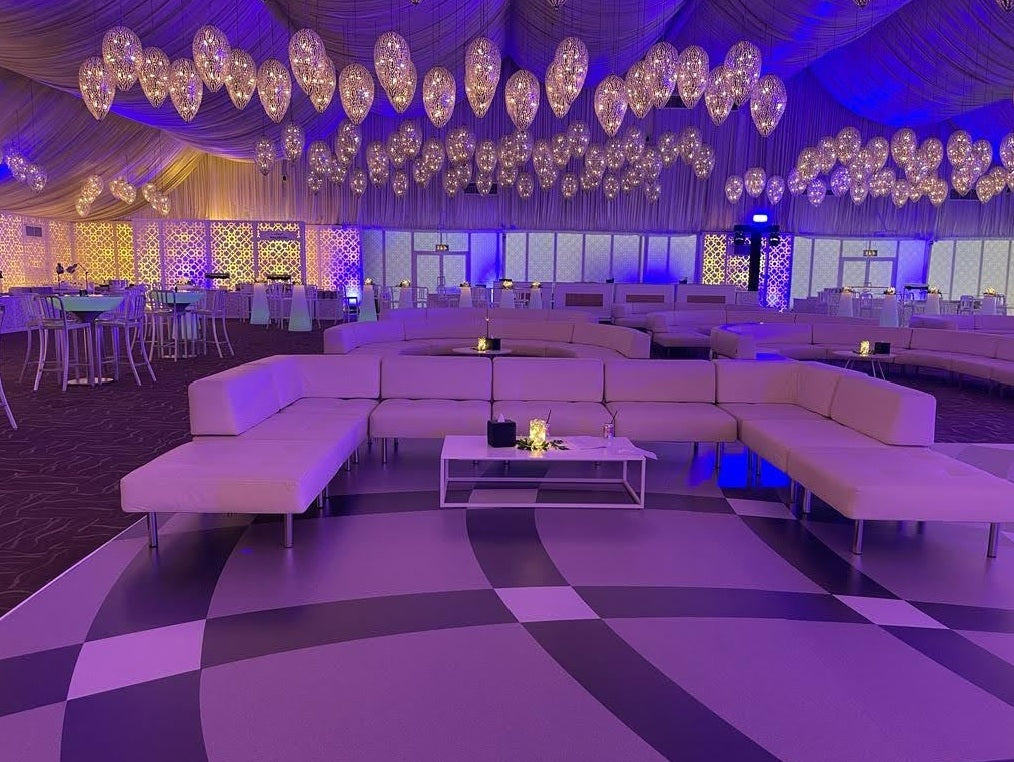
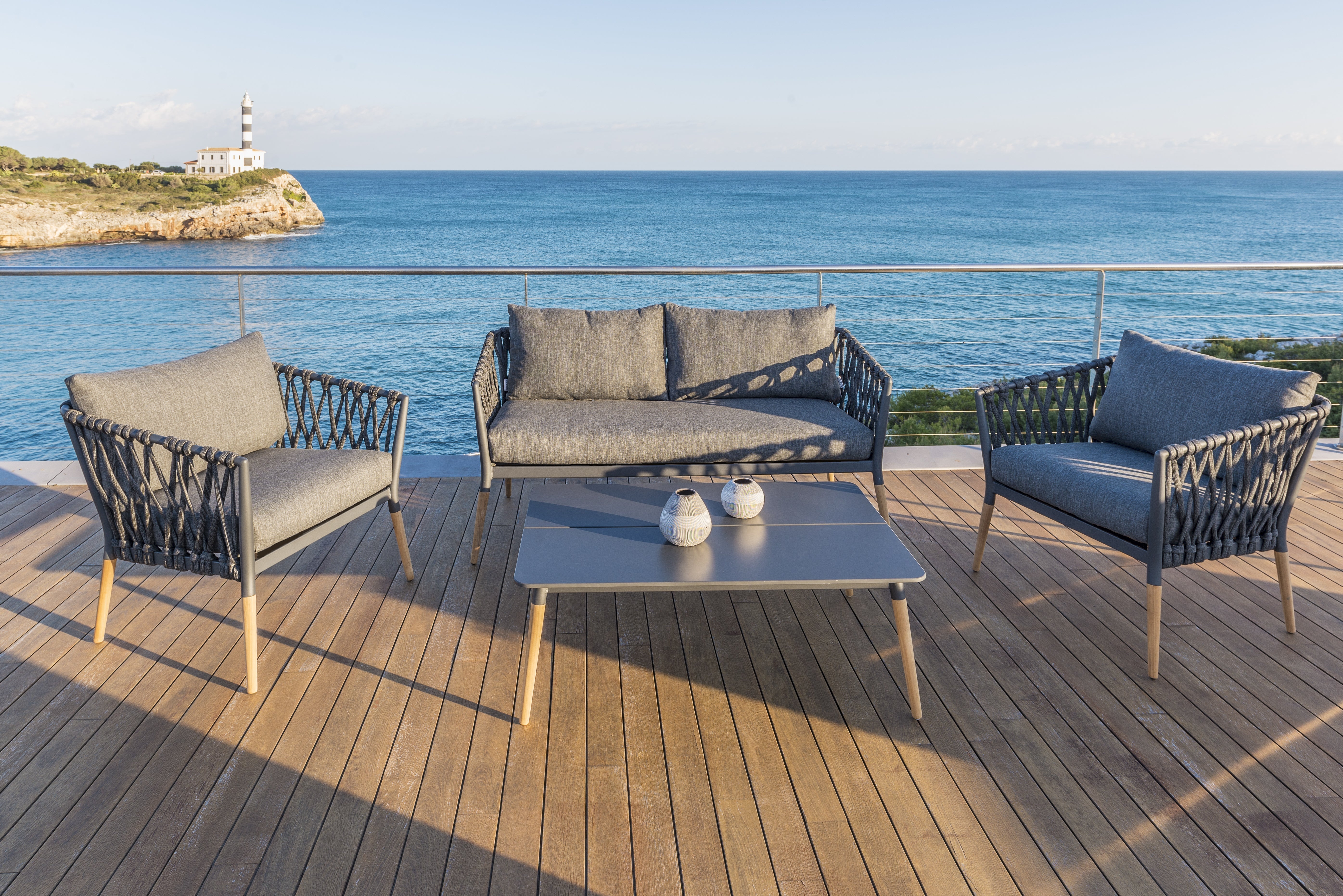
Lounge seatingLounge seating creates relaxed areas where guests can sit comfortably away from the main dining or event space. Sofas, pouffes, and ottomans are standard in VIP zones, chill-out corners, or bar areas. These pieces are larger than standard chairs and require more space, but they offer a more informal and welcoming atmosphere. |
Buffet or display tablesBuffet tables are used to serve food, hold drinks, or display items such as gifts or name cards. They are usually rectangular and come in standard sizes. These tables are placed against a wall or in central areas, depending on the purpose. Covers or skirting are often added to match the event’s colour scheme or branding. |
|

How to Match Rental Tables and Chairs for a Cohesive Look
Matching your tables and chairs is not just about picking items that look good on their own. It’s about making sure they work together to support your event’s layout, atmosphere, and guest comfort. Below are the key steps to get it right, starting with understanding your event needs and theme.
1. Understand the Type of Event
Before choosing any furniture, think about the kind of event you're planning. A formal dinner, an outdoor wedding, a business meeting, or a birthday party each requires different types of tables and chairs.
For example:
-
A wedding might need elegant Chiavari chairs and round dining tables.
-
A networking event could work better with cocktail tables and bar stools.
-
An outdoor festival might require folding chairs and long rectangular tables for easy setup and movement.
Also consider how long guests will be seated. For longer events, comfort matters; padded chairs with supportive backs are a better choice than basic folding ones. If food will be served, make sure tables offer enough space per person and suit the meal format (buffet, plated dinner, shared platters, etc.).
Matching your furniture to the event type ensures it serves the right purpose while supporting comfort and flow.
2. Match Furniture Style with the Event Theme
Your event likely has a theme or visual style: modern, rustic, tropical, minimalist, or something in between. The furniture should match or support that theme so everything feels connected.
Here are a few examples:
-
For a rustic or outdoor wedding, use wooden farm tables with matching wooden or cross-back chairs.
-
For a modern corporate launch, pair clean-line tables with ghost or acrylic chairs.
-
For a relaxed garden party, mix lightweight café-style seating with neutral-toned tables.
Avoid mixing styles that don’t belong together. Using rustic tables with ultra-modern chairs, for example, can look mismatched unless carefully planned. When your tables and chairs follow the same design direction, the space feels more put-together and easier to style with other décor.

3. Choose Colours and Finishes Thoughtfully
Even if your furniture styles match, clashing colours or mismatched finishes can make the space feel uneven. Stick to a clear colour palette that complements your theme, venue, and other elements, such as linens or floral arrangements.
For example:
-
Pair white tables with clear or pastel chairs for a clean, light feel.
-
Use darker wood chairs with rustic wooden tables for a warmer, more natural look.
-
Match black chairs with simple white tables for a sleek, modern contrast.
Finishes matter too. Glossy chairs next to matte tables may look off unless the contrast is intentional. If you’re using metal chairs, make sure their finish (brushed, chrome, painted) fits with the table surface and surrounding décor.
4. Ensure Size and Proportion Are Balanced
The size and scale of your tables and chairs should work well together, not just visually, but practically too. Mismatched proportions can make the space feel awkward or uncomfortable for guests.
Start by checking the height of the tables and making sure the chairs fit comfortably underneath. Guests should be able to sit with enough legroom and arm space. Standard dining tables are around 75 cm tall, and most chairs are designed to match. However, some styles, like lounge chairs or stools, may vary, so double-check the measurements before booking.
Also, consider how much space each guest needs. A round table typically seats 6 to 10 people, depending on its size. Overcrowding the table with too many chairs makes dining or conversation difficult. Keeping the furniture at the right scale helps the event feel balanced and avoids tight or uneven seating arrangements.

5. Plan According to Your Venue Layout
Even the best furniture combination won’t work if it doesn’t fit your space. Before finalising your rental, take time to map out your venue layout. Measure the available space and account for walkways, service areas, entertainment zones, and entrances.
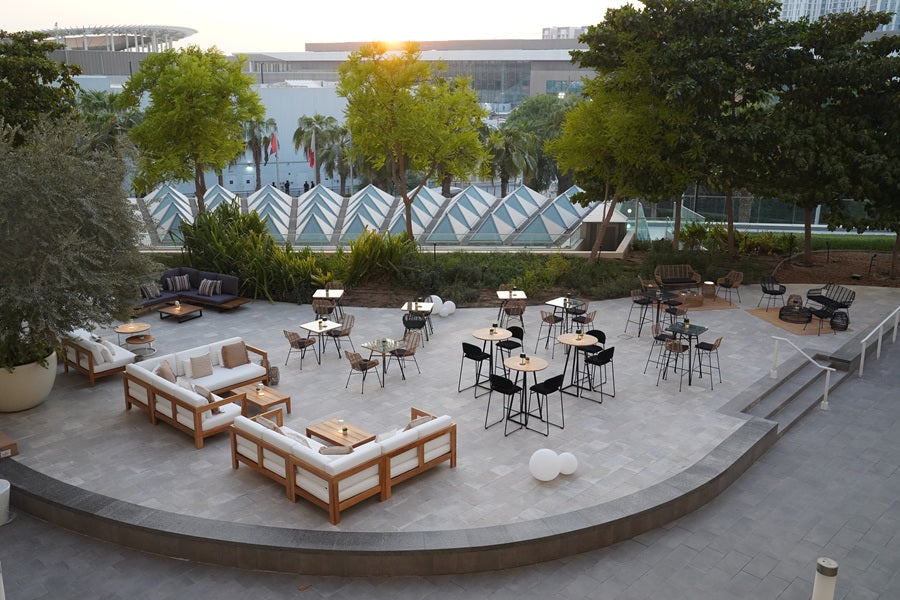
The type of tables you use affects the layout. Round tables need more room around them than rectangular ones. Cocktail tables are great for standing events with smaller footprints. Lounge seating and sofas take up more space and should be placed away from high-traffic areas.
Visual planning tools or a simple floor sketch can help you picture where each table and chair set will go. This step ensures everything fits without feeling cramped and allows for smooth guest movement during the event.
6. Don’t Forget Functionality and Comfort
A good-looking setup means little if the furniture isn’t comfortable or practical for the event. Consider how long your guests will be seated and what activities they’ll be doing.
For long meals or speeches, cushioned chairs or those with proper back support are important. If the event includes multiple segments, such as dining, dancing, or presentations, consider flexible furniture that can be easily moved or rearranged.
For outdoor events, think about the weather and ground conditions. Choose chairs and tables made from materials that won’t get damaged by moisture or heat, and make sure they’re stable on grass, sand, or uneven ground.
Functionality should go hand in hand with style; when your furniture supports the event’s flow and keeps guests comfortable, everything runs more smoothly.

7. Finalise with Accessories and Decor
Once your tables and chairs are selected and arranged, the final step is adding small details that pull the whole look together. Accessories like linens, chair covers, sashes, and table runners help connect your furniture with the rest of your decor.
For example:
-
Use matching tablecloths and napkins to reinforce your colour scheme.
-
Add chair sashes or covers for a more formal or themed appearance.
-
Include centrepieces, candles, or floral arrangements that suit your event style.
Lighting, signage, parasols, or outdoor shading can also enhance the overall setup, especially if you’re hosting outside or in the evening. These additions help create a more comfortable and memorable atmosphere for your guests.
Finishing touches help your table and chair choices feel like part of a complete, well-planned experience.

Common Mistakes to Avoid
Even with the right style and layout in mind, a few common oversights can undermine your setup's success. Here are some mistakes to watch out for:
-
Mixing mismatched styles that don’t suit the event theme or decor
-
Ignoring chair height in relation to table height, leading to discomfort
-
Overcrowding tables with too many chairs, limiting guest space
-
Choosing style over comfort, especially for longer events
-
Forgetting to measure the venue, resulting in poor furniture fit or blocked pathways
-
Booking too late, which limits your choice and may lead to last-minute compromises
Avoiding these issues helps create a space that not only looks good but also works well for your guests and the flow of your event.
Conclusion: A Stylish and Functional Setup with Rental Tables and Chairs
Choosing the right combination of rental tables and chairs goes beyond matching colours or picking what looks nice. It’s about creating a space that supports your event’s purpose, feels comfortable for your guests, and reflects the style you want to achieve. When your furniture fits the theme and function of the event, everything comes together more naturally.
By understanding your event needs, you’ll build a setup that feels both stylish and practical. Start with the basics, avoid common mistakes, and let your rental tables and chairs bring your event to life.

Frequently Asked Questions
How do I choose the right table and chair combination for a corporate event in the UAE?
Start by looking at your event format and audience. For formal meetings or conferences, we recommend pairing rectangular tables with cushioned banquet chairs for comfort and structure. If you’re hosting a networking event or product launch, cocktail tables with bar stools allow for better movement and interaction.
Can I mix different chair styles in one event setup without it looking uncoordinated?
Yes, but it works best when done with intention. Mixing styles adds visual interest, but the colours, shapes, or finishes must complement each other. For example, you can use one chair style for dining and another for lounge areas, as long as the overall theme remains consistent.
What should I consider when planning table and chair rentals for outdoor events in Dubai?
Outdoor setups in the UAE need to account for heat, sand, and uneven ground. We suggest choosing furniture made from weather-resistant materials, such as treated wood, metal, or durable plastic. Tables should be stable on soft ground, and chairs should be easy to move. We also recommend planning for shading; our parasols and covered lounge seating work well for garden events, beach settings, and open-air venues.
How early should I book my rental tables and chairs, especially during peak season?
To get the best selection, we recommend booking at least 3 to 4 weeks in advance. During high-demand periods like wedding season, Ramadan, or year-end corporate events, even earlier is better.
Can Desert River Event Rentals help me decide how many tables and chairs I actually need?
Yes, we do. Our team regularly supports clients with layout planning and quantity estimates based on your guest count, venue size, and event type. We can even visit your venue or offer virtual consultations.